All You Need to Learn About Robotic Vision and Its Applications in Advanced Optical Measurement Systems
Robotic vision represents a substantial improvement in the crossway of computer vision, expert system, and artificial intelligence. This innovation boosts the accuracy of optical measurement systems, making it possible for real-time information analysis and enhanced quality control. Its impact spans several fields, from manufacturing to health care. However, the advancing landscape of robotic vision elevates questions regarding future capacities and applications (optical measurement system). What technologies exist ahead in this transformative field?
Comprehending Robotic Vision: Secret Concepts and Technologies
Robotic vision includes the modern technologies and methodologies that make it possible for equipments to interpret and understand aesthetic details from their environment. This area combines aspects of computer vision, synthetic knowledge, and artificial intelligence to assist in automated decision-making based upon aesthetic data. Key principles include picture processing, which involves the improvement and evaluation of pictures to draw out purposeful functions, and things acknowledgment, which permits equipments to recognize and identify items within a scene.
The Assimilation of Robotic Vision With Optical Measurement Systems
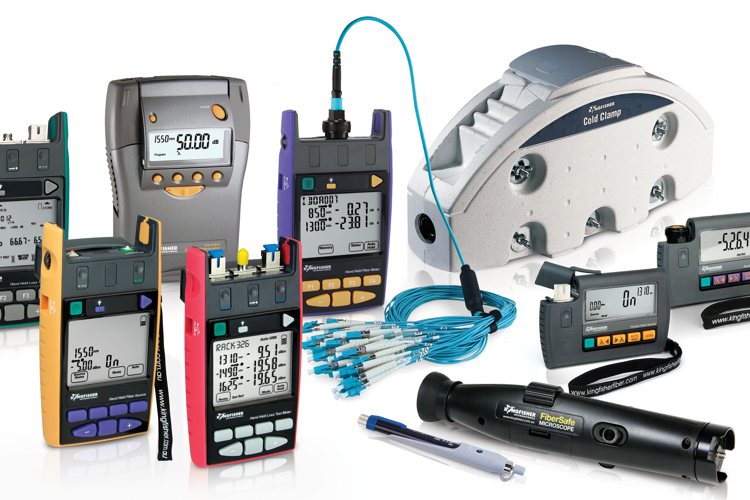
As sectors significantly require precision and efficiency, the assimilation of robot vision with optical measurement systems has become a transformative method. This synergy allows robots to regard and analyze their surroundings, boosting the ability of optical measurement systems to evaluate and assess things with unequaled accuracy. By furnishing optical sensors with advanced imaging innovations, robotic vision allows real-time information collection and handling, helping with immediate adjustments to measurement criteria.
Furthermore, the mix empowers automated systems to detect variants in measurements, surface area top quality, and positioning, which are important in quality assurance procedures. Enhanced formulas, such as machine discovering, further increase this integration by boosting the systems' capacity to adjust to different settings and situations. The integration not just streamlines dimension processes yet also decreases mistakes, ensuring that items satisfy strict market requirements, thereby solidifying the duty of robot vision in the future of optical measurement systems.
Applications of Robotic Vision in Production
In modern-day production environments, the usage of vision systems has actually reinvented manufacturing processes by allowing makers to perform jobs with impressive precision and rate. Robotic vision systems are progressively utilized for quality assurance, where they evaluate items for problems and assurance adherence to specifications. These systems utilize electronic cameras and progressed formulas to evaluate products in real-time, significantly decreasing the threat of human mistake.
In addition, robot vision assists in automation in production line, allowing robotics to accurately identify components and assemble them with very little downtime. This innovation also boosts inventory management, as vision systems can keep an eye on supply degrees and identify inconsistencies, assuring a seamless supply chain.
Furthermore, robotic vision help in the implementation of wise factories, where information from vision systems can be incorporated with other innovations to maximize operations. In general, the applications of robot vision in making demonstrate its important role in enhancing performance, top quality, and performance across various markets
Robotic Vision in Medical Care: Transforming Person Care
In rehab, robotic vision help in checking client development and tailoring therapy sessions to individual demands. It sustains doctor by automating tasks such as data collection and person monitoring, allowing for even more time to concentrate on straight individual communication. In addition, robot vision improves telemedicine by allowing remote medical diagnosis and online appointments, bridging the space between patients and health care companies. On the whole, the application of robotic vision in health care is reinventing person treatment, leading to improved outcomes, performance, and client contentment.
Future Trends and Developments in Robotic Vision Technology
The rapid evolution of robot vision innovation guarantees to better boost its applications across various sectors, including medical care. Future fads indicate a substantial shift in the direction of including expert system and device knowing, making it possible for systems to discover from huge try these out datasets and improve accuracy in time. Improved sensor modern technologies and deep knowing formulas are expected to fine-tune item acknowledgment capabilities, enabling robotics to analyze intricate settings better.

The integration of enhanced fact (AR) with robotic vision will likely reinvent exactly how robotics aid in medical procedures and diagnostics. This harmony will facilitate real-time data visualization, improving decision-making procedures. Furthermore, miniaturization of parts will lead to even more small and flexible robotic vision systems suitable for a selection of jobs. As these innovations unravel, markets will certainly witness enhanced automation and effectiveness, strengthening robot vision click to read more as a keystone of cutting-edge technological options.
Regularly Asked Inquiries
What Are the Key Elements of a Robot Vision System?
The primary parts of a robot vision system consist of electronic cameras for image capture, cpus for data evaluation, algorithms for interpretation, and actuators for activity. With each other, these aspects allow robots to regard and engage with their atmosphere effectively.
Just How Does Robotic Vision Improve Accuracy in Measurements?
Robotic vision improves dimension precision by using advanced imaging modern technologies, making it possible for specific item detection and spatial evaluation. This capacity minimizes human error, raises repeatability, and permits real-time changes, ultimately improving overall dimension integrity and effectiveness.
What Industries Benefit Most From Robotic Vision Innovation?
Numerous markets profit considerably from robot vision technology, consisting of production, health care, agriculture, and logistics. These industries make use of boosted accuracy, efficiency, and automation, resulting in boosted performance and minimized functional prices in their particular procedures.
Can Robotic Vision Solutions Job in Low-Light Issues?
Robotic vision systems can indeed function in low-light problems, making use of innovative sensors and formulas to enhance photo clarity. This ability permits them to perform properly in numerous environments, including industrial and monitoring applications, despite very little lighting.
What Are the Costs Related To Executing Robotic Vision?
The expenses connected with applying robotic vision vary substantially, affected by parts such as cams, software program, and combination. Added expenses consist of upkeep, training personnel, and possible upgrades to existing systems, which can build up gradually.